College Visits.
blah blah blah.
Blah blah blah
Eden submitted this sketch and digital drawing to receive some fantastic acceptances.
“We felt that this experience was definitely worth the investment. We didn’t even know where to begin to get the portfolio process started. Lisa and Abigail worked well with Izzy. They were encouraging and got her to create more pieces for the portfolio to make it stronger. We really couldn’t have done this without ARTiculate. ”
“Florence was wonderful! She jumped in and helped our daughter through each step of the process. Narrowing down schools, portfolio, essays, and interviews. We appreciated that the service had an arts focus. Our daughter was accepted to 9/12 schools where she applied and received merit/scholarship offers from most. Florence helped her choose her ideal school and she can’t wait to attend the Theatre School at DePaul! ”
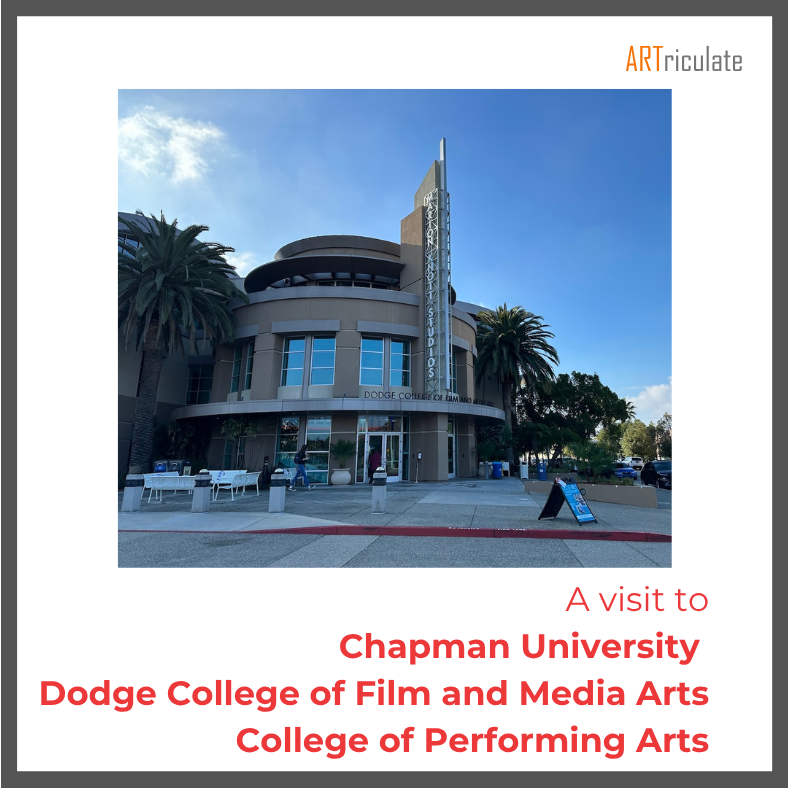
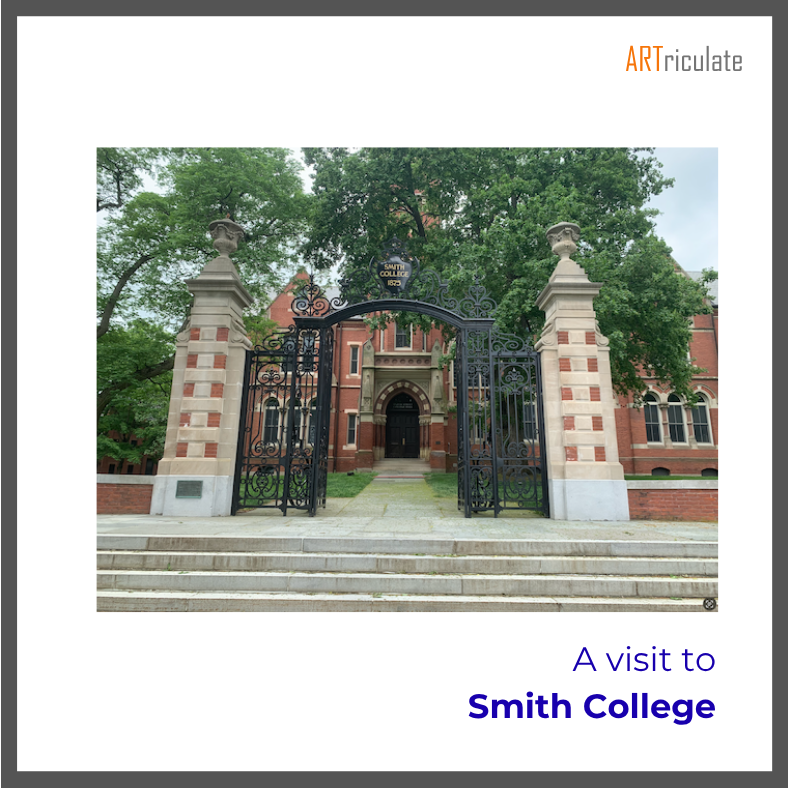
We visit schools to start you on your research. Here are some of the schools we’ve visited recently.
Have questions? What to look for when you visit colleges.
-
Visual arts portfolios typically require 10-15 pieces of artwork. The portfolio can contain work in a variety of media but all pieces need to reflect the personality and authenticity of the artist’s voice.
We work with students to create compelling and technically strong work and then help them curate their art to satisfy the guidelines of each school. Students are coached to photograph their work and write short descriptions of each piece that inform the reviewer of the process and motivation behind creating the piece.
Coaches work with students to craft their artist statement that serves as the guiding narrative connecting their work.
We look at how the work comes together as a whole, how it is documented, and how it will be viewed by admissions committees so it represents your student clearly.
-
Film creative supplements vary by school and often include multiple short prompt responses as well as submission of a short film (sometimes directed to a specific prompt). All written and visual work must highlight the student’s ability to be a compelling storyteller.
Students might be asked to tell a story in as few as 150 words, requiring a well conceived plot and excellent writing skills. Films might be as short as two minutes without dialogue. The shorter the space allowed, the more challenging to tell a story.
Students applying to film programs may be required to submit 20 different written prompt responses and films ranging from two minutes to five minutes. It’s an intense experience with tight and early deadlines.
-
ARTriculate works with both actors and production design (costume designers, prop designers, set designers, sound/light designers and directors) to help them prepare their creative supplement. Each art form has their specific creative requirements and we help students prepare their audition monologues and portfolios to meet the requirements for each program.
Often this includes auditions (for both actors and production design students), monologues, head shots, and resumes.
We help students understand what is expected, how to prepare their materials, and how to present themselves with clarity and confidence throughout the audition process.
Performing arts applications are often due early and may be a multi-stage process requiring prescreens, application submissions, and auditions. There are many moving pieces and we work with your student to make sure they know all the requirements and their due dates.
-
A strong artist statement explains your art, what influenced it, how and why it was created, what it means, and where you want to go with it.
It serves as the guiding narrative that connects the work in your portfolio or audition material with your voice and aspirations. The statement helps the admissions committee understand your ideas, process, and how your work has developed over time.
It’s a short but integral part of the creative supplement that requires thought to craft.