Build your college list.
Academics, competitiveness, student “vibe”, finances. Balance and fit matter.

Lily struggled to find schools that met all her criteria to add to her list, but once we had an in depth discussion about what she wanted she did her research and settled on a solid list. She’s attending a school that checked all her boxes!
“My son was focused on game design from a computer science perspective after a summer program at a research university. Then he attended Rising Star at SCAD. It helped narrow our choices, and he came home certain it was the right fit. SCAD shifted his thinking. He saw the creative side and was all in. ARTriculate helped us step back and look at other programs so we could compare and confirm. That process made all the difference. In the end, SCAD was the right choice, and we knew it. ”
-
While many students don't start researching prospective colleges until 11th grade, we recommend that families start visiting and researching colleges possibly as early as 9th grade and certainly by 10th grade. We encourage this because the earlier you start the more time you’ll have to fully consider your options.
11th gradeis amazingly busy and your focus should really be on academics, testing, portfolio development or audition preparation. There just isn’t really enough time to visit all the colleges you might feel you want to in 11th grade.
The goal is to have a final college list before school starts in the fall of 12th grade.
-
We highly recommend you visit while schools are in session if at all possible so you can …..
-
Again, this is very personal. We’ve worked with students who have six school and students who have 12 schools. The key is balance, as long as there are schools that are more likely to accept you, and that you would be very happy attending, six can be the right number.
On average students apply to 8-12 schools with a balanced selection of reach, target and likely.
-
Before our first meeting we send parents and students a questionnaire to allow you each to consider what characteristics you value in a school.
At our first meeting we review the questionnaire and discuss your academic goals, passions and artistic accomplishments. Then it’s time to start talking about the characteristics to consider for college. These characteristics fall into three broad categories: academics, social, and environment. There are no right or wrong answers, you are unique and your needs are unique, what is the best fit college for your best friend may (or may not) be a good fit for you. We’ll think through it together and regardless of your answers we’ll suggest colleges for you to research and visit that meet your criteria. Here’s some helpful info on needs vs wants vs does it really matter.
What are the characteristics you want in a college? College is more than academics, we’ll consider curricula, size, student body, dorm life, social atmosphere, extracurriculars, location, financial aid and scholarships, and opportunities for professional development.
What type of school? There are a variety of different types of schools that offer programs in the arts with each providing a different experience: Colleges of art and design, conservatories, smaller traditional liberal arts colleges, or larger universities. Many students apply to a variety of schools and decide upon acceptance which suits them best.
What social activities do you want? College needs to fulfill your personal needs as well so we’ll discuss advocacy and community opportunities, sports teams, performance and exhibit opportunities, and do you want Saturday nights filled with greek activities or small gatherings with friends.
Where do you want to be? Big city, suburban campus, or large sprawling rural campus? North, south, east, west or heartland? Do you envision big city life replete with metro rides or hiking with a view of the stars? There are over 3,000 colleges in the U.S. so there’s probably one in any place you’d like to live.
-
Our coaches are graduates of top art programs and understand the rigor and expectations. We visit campuses, walk the neighborhoods, and spend time in studios and museums. We stay in touch with our students after they enroll and hear what matched expectations and what did not. This allows us to guide students toward programs that are not just strong on paper, but strong in reality. A balanced list is built from experience, not data alone.
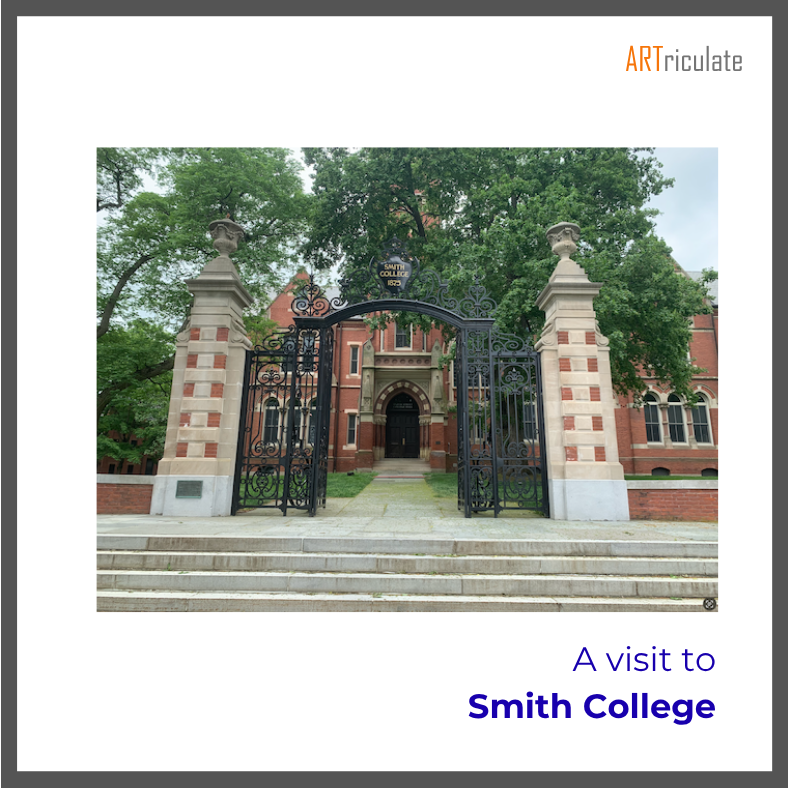
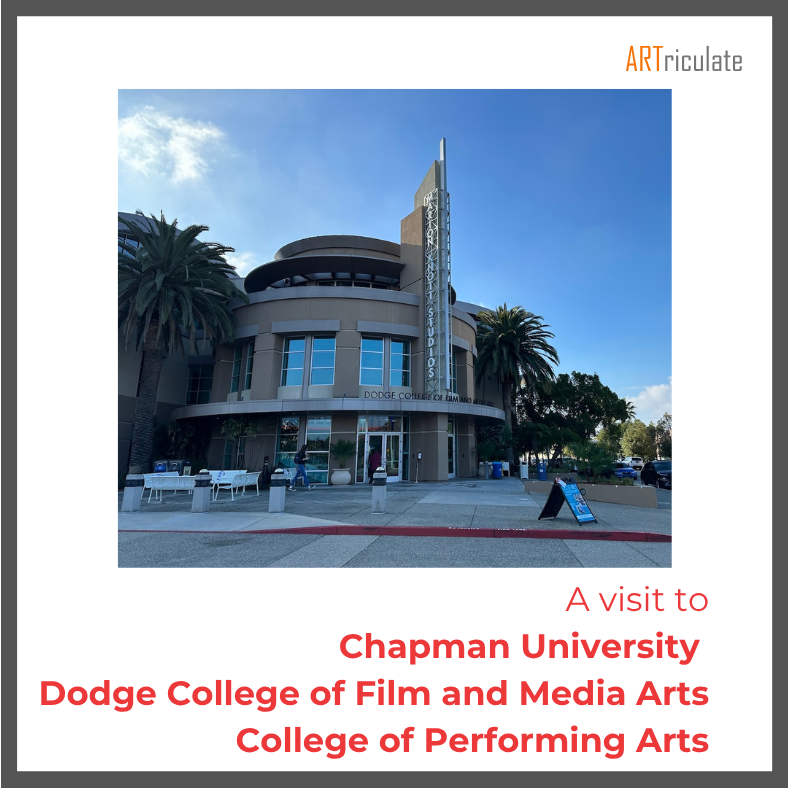
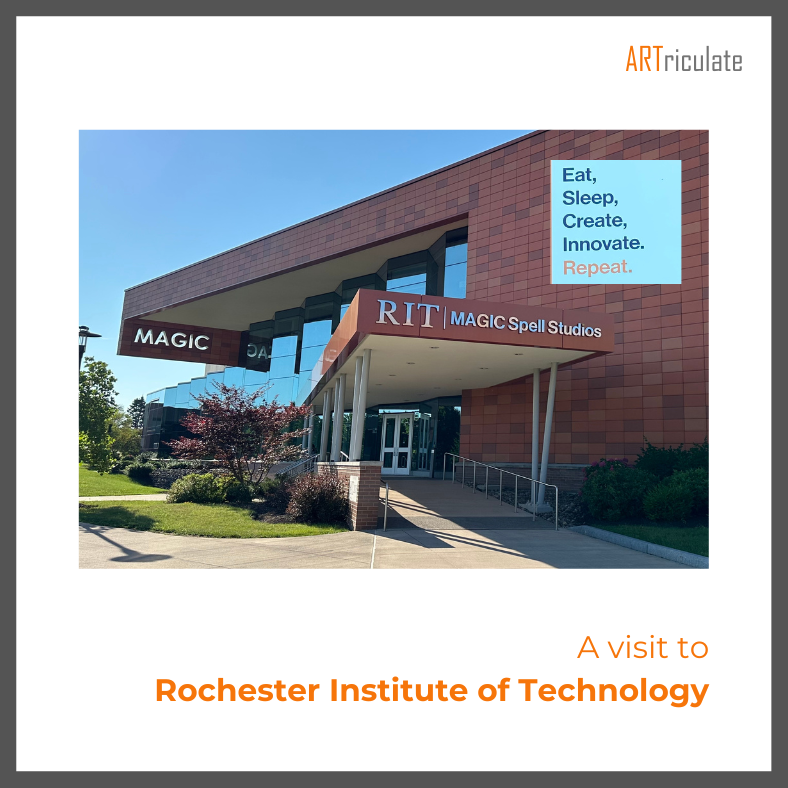
You can read more about our college visits on our blog. -
BFA, BMA, BArch, BS, or BA? There are big differences between degrees, we discuss what they are, what your options are and what might make the most sense for you.
Do you want internships or co-ops? Some schools have integrated co-op or internship programs built into their curriculums. A required internship or co-op might extend your academic schedule to five years.
-
Colleges are a considerable financial commitment for the four years you attend and possibly longer if you have student loans after graduation. It’s possibly the biggest financial commitment you’ll make after your house. We make sure that we recommend schools that you can afford as there is no worse experience then being accepted to a school you can not afford.
What can you afford? This is a critical conversation, and every family has their own financial considerations that must be considered, we’ll offer talking points to facilitate family conversations
Are there opportunities for financial aid? Many schools offer significant merit aid, participate in Federal aid programs such as Yellow Ribbon or inter-college tuition exchange programs, and many schools have tuition rates commensurate with family income. If you qualify for any special programs we will include that information as we develop your school list.
We’ll review your transcripts and test scores as these factor into both acceptances and merit-based financial aid.
-
Absolutely! Careers in the arts have vastly increased from the opportunities of the past, we’ll discuss potential careers in your field of interest and focus on how they translate into earning a sustainable income. Often time this expands into discussions of what else interests a student as they sometimes aren’t aware of how different interests can combine into interesting and stable careers.
You can build a college list with AI. It will give you options and organize the information. But it cannot tell you what a program is actually like. It has not experienced the rigor, visited the campus, learned about majors which might fit your interests, or heard from students after they enroll. We have. That information and perspective matters when you’re applying to college.
If you work with us you’ll get a list generated from years of experience, not from the assumptions (and glitches) of AI.
In meetings with 9th and 10th graders we talk about what excites them academically, creatively, socially. What’s a subject they can dive deeply into and lose track of time? Sometimes these students don’t even know that’s something they could study in school, that majors exist where they could learn more! We discuss how they can further explore their interests, how they can start to focus their academic and extra curricular activities to decide if they want to study that subject in college.
We discuss the differences between BFA, BS and BA programs. If they are considering a double major what might be their options? Many schools have new creative majors that might interest them, we research these programs and introduce them to your student, often they’re combinations students have never considered!
We start assembling the college list based on these conversations. If you start working with us in 11th grade we’ll do the same deep dive into their interests, and start linking conversations more closely with college majors and programs. We highlight the opportunities, students do their research and put colleges into “yes, no or maybe” categories. This is how together we shape their college lists.
We work together to build a balanced, personalized college list. Together, we finalize your list and discuss which deadline makes sense for each school. Here’s helpful post discussing the differences of the college application deadlines.
Once we’ve finalized the list and the college deadlines we update your timeline to reflect the requirements and deadlines for each school. We don’t believe in submitting at 11:59pm so there will be plenty of padding built into all your schedules.
Have questions? How we help you build a personalized college list.