Application Guidance.
Guiding your applications. From preparation to submission.
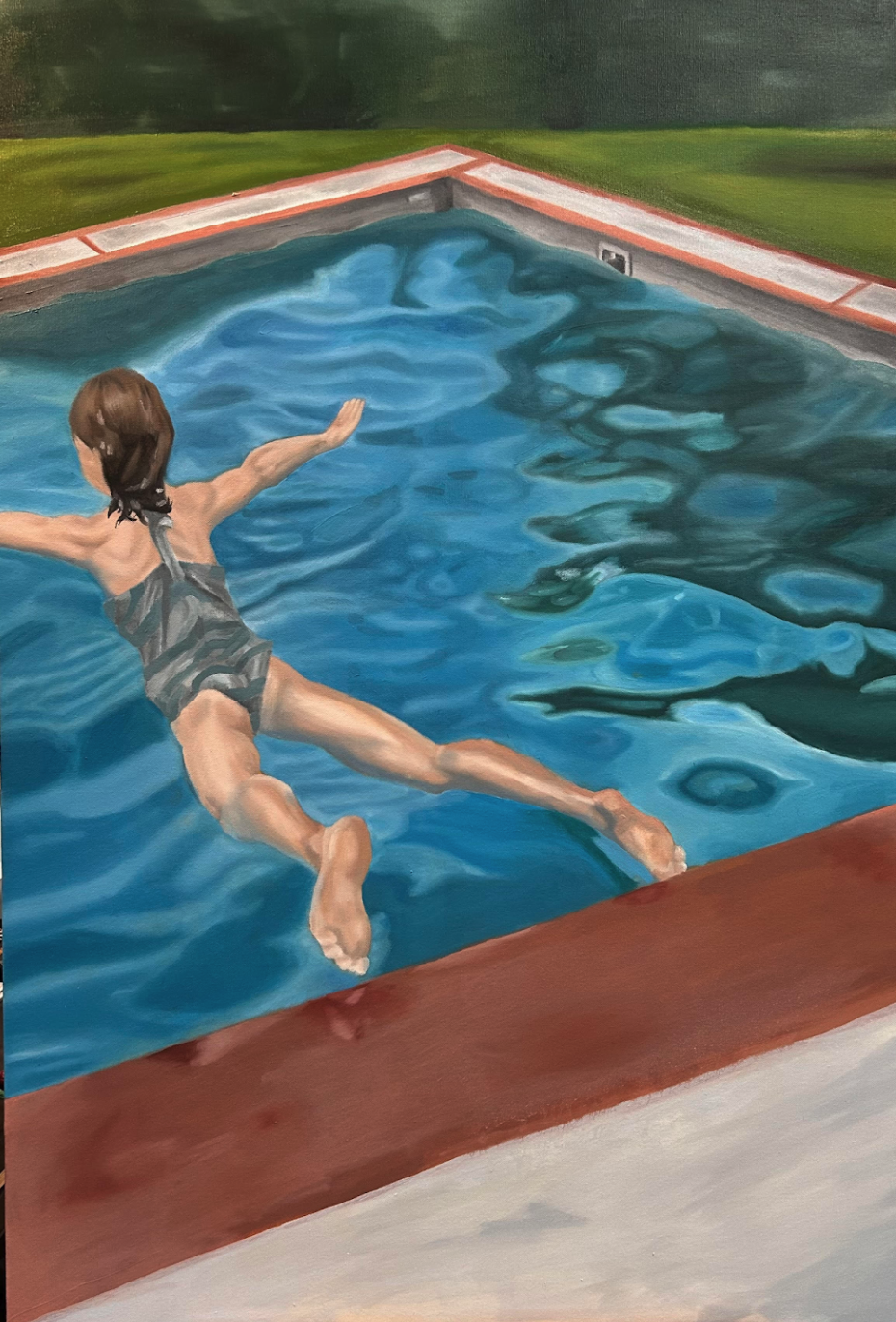
Ezra is a fantastic artist but wanted to attend a small liberal arts college where he could explore his other academic interest of creative writing.
“For parents with little to no experience with art schools, the ARTriculate process was invaluable. Over the course of her junior and senior years, Sara was able to strengthen her work in multiple mediums working with Lisa and build a wonderful portfolio in time for early action applications. Florence guided us to put together a strong college list and helped Sara narrow down her major of interest. It was super easy to schedule appointments using the scheduler whenever we needed them, and get our many questions answered to keep us on track and sane during the application process. We also appreciated Florence and Lisa checking in with Sara in between appointments to encourage and guide her. Overall, it was a fantastic experience!”
Applications are where everything comes together. Each school has its own requirements, deadlines, and expectations. Creative supplements may be detailed in the Common Application, in Slideroom, or on the website itself. It can be confusing and overwhelming to make sure students have all the required prompts. We make sure that they do, and that they are well prepared to submit them.
We guide the process so each submission is complete, organized, and reflects the student clearly.
We work with students throughout the application process, managing deadlines, organizing submissions, and keeping everything aligned across schools. We review written materials, guide portfolios and creative supplements, and ensure each application is submitted with care and attention to detail.
The goal is not just to complete applications, but to submit work that is thoughtful, cohesive, and the best representative of a student’s authenticity.
Each part of the application plays a role. Essays, portfolios, supplements, and artist statements should work together so the application reads as a complete and intentional body of work.
Have questions? How we support you throughout the entire application process.
-
The Common Application and Coalition Application are very similar. The main difference is which colleges use each platform, because their structure and requirements are largely the same. Both include one main essay, an activities section, and school-specific supplemental requirements. Students build a central narrative and adjust how it is expressed across each school’s application.
The University of California application is structured differently. There is no single personal essay. Instead, students respond to four shorter Personal Insight Questions selected from a set of eight prompts.
Because of this, the application is built differently. Rather than telling one story in a single essay, the student’s experiences are distributed across multiple responses, with each answer adding a different dimension.
Across all platforms, the goal is the same. The application should feel cohesive, with each piece contributing to a clear and complete picture of the student.
-
We start by helping students clarify what they want to say. From there, we shape a core narrative and adjust how it can be best focused for each school.
Next, we evaluate the full body of work to create a through line across essays, portfolios, and creative supplements so the application feels cohesive, intentional, and authentic.
-
The artist statement often becomes the narrative that ties the creative supplement and artwork together.
We start by working with students to articulate the meaning behind their work. From there, we shape how that thinking is expressed in the statement so it connects directly to the portfolio.
Their writing should reflect how the student thinks about their process. This often includes showing the evolution of their work through the portfolio and carrying that story into the statement.
-
Each program evaluates work differently.
We start with a critique of the student’s existing work. From there, we identify strengths, areas for improvement, and opportunities for new pieces, taking into account the preliminary school list.
As the college list is refined, we evaluate the portfolio against each school’s requirements, including number of pieces, format, and content. We look at how the work aligns, where gaps exist, and what needs to be strengthened.
We also strongly encourage students to attend National Portfolio Day to talk with and receive reviews from admissions representatives for attending schools.
Our art coaches and college advisors work together throughout the process to ensure the portfolio represents the student clearly and effectively across all submissions.
-
Creative supplements for film students are perhaps the most intense of all disciplines. Each school has different application requirements and often different film requirements, some of which must be created to a specific prompt. All aspects of film submissions require careful selection and editing.
We help students identify the right sample, review structure and pacing, and refine supporting materials when required.
In our film coaching, students develop an original concept, shape it into a complete story, and produce a finished piece. They receive structured critique throughout the process so the final work is clear and intentional.
Each submission is considered in the context of the program so the work is presented clearly and with intention.
-
We help students identify appropriate materials for their monologues.
We advise on headshots, including which images to use and how they are presented, and on resumes to highlight a students performance history.
Through coaching, we refine performance and presentation so the audition reflects the student’s strengths.
-
Strong applications are built by paying attention to the details and making sure each submission is thoughtful, complete, and specific to the program. Some frequent mistakes you could make, and why our students don’t make them:
Students reuse essays without adjusting for the program. These mistakes are easy to make because the prompts look similar. We review the prompts in the context of each school and make sure that prompts such as “Why this major?” speak directly to the program at a specific school.
Students submit portfolios or supplements that are not aligned with what the school is actually looking for. They underestimate how different requirements can be from one school to the next. We have years of experience with most art programs and know which schools want to see process work, which want to see mixed media, which prefer portfolios directed towards a major, and other similar specifics so you can be confident you are submitting successful portfolios.
Students rely too heavily on AI when writing. This can flatten their voice. Admissions officers read thousands of applications and can sense when responses feel generic or lack authenticity. We have that same intuition when we suspect a student is using AI. We know that the most successful essays aren’t perfect, but are authentic. We help them achieve this in their responses.
They lose track of deadlines or rush materials at the end. Once we settle on the school list, you as a family (with input from us), determine which deadlines you are comfortable with. We then calendar the due dates and requirements, allowing for time to slip but still be submitted well before they are due.